%2Ffit-in%2F250x250%2Fguide_websites%2F2008%2Fimages%2Fbluelinefishingchartershorizontalcolor.png&w=1200&q=100)
Caught a trophy Striped Bass in Hingham
Striped Bass Fishing in Hingham
4.5

12 Reviews
- 5
 83%
83% - 4
 0%
0% - 38%
- 20%
- 18%
%2F%2Fusers%2F0db15d2a-f753-4729-a54d-86fe2a5b0bbc%2Fimages%2Fstriped-bass-boston-fishing-9491.png&w=1200&q=75)
The Striped Bass is a premier gamefish found in Massachusetts waters, especially along the South Shore. These powerful fish are known for their distinctive horizontal black stripes and can reach impressive sizes of 20-55 inches and 10-81 pounds when fully grown. - Striped Bass thrive in both freshwater and saltwater environments including rivers, lakes, and coastal areas. - They're most active during dawn and dusk, making early morning trips ideal for targeting them. - Their hard-fighting nature and delicious white meat make them a favorite target for anglers in Hingham.
Fishing Charter by Captain David Horte in August
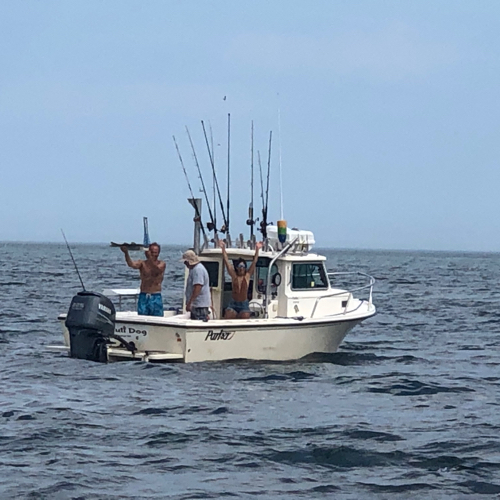
Meet your Captain David Horte
- Top Fishing Charter in Hingham, MA



Summary
Experience an exciting Striped Bass fishing charter in Hingham, MA with Captain David Horte of Blueline Fishing Charters. This Saturday June trip delivers prime inshore action along the South Shore, targeting the trophy Striped Bass that stage up in these productive waters during early summer. With expert guidance and all gear provided, you'll explore Hingham Bay, Hull, and local hotspots using a mix of trolling, jigging, and light tackle techniques. Captain Horte's local knowledge ensures you'll be putting lines where the fish are biting. Perfect for all skill levels, this 5-hour charter accommodates up to 6 passengers, though 4 is recommended for optimal fishing experience. Book your spot for the ultimate local fishing adventure with flexible departure options.
Fishing Charter with David Horte – Rates & Booking
Captain David Horte of Blueline Fishing Charters on Saturday June offers this 5-hour inshore fishing adventure targeting Striped Bass along Hingham's productive waters. The trip costs includes all fishing gear, bait, and licenses for up to 6 passengers (though 4 is recommended for the best experience). Meeting at 18 Shipyard Dr at 7:00 am, Captain Horte provides deep sea, jigging, and light tackle setups to ensure you're ready for whatever the day brings. Optional trip extensions are available for $120 per additional hour if you want to extend your time on the water. With flexible departure times available, this trip is perfect for anglers of all skill levels looking to experience the South Shore's excellent Striped Bass fishing.
Highlights of Half Day Guided Bluefish And Striped Bass Fishing Trip In South Shore, MA
This 5-hour charter with Captain Horte delivers access to some of the South Shore's best Striped Bass fishing grounds. You'll explore the productive waters of Hingham Bay, Hull, Weymouth, Quincy and Boston Harbor – all prime locations for targeting trophy Stripers in early summer when they're actively staging in these areas. The early morning departure takes advantage of peak feeding times, and Captain Horte's extensive local knowledge ensures you're fishing the most productive spots.
What makes this trip special is the variety of fishing techniques you'll experience. Captain Horte switches between trolling, jigging, and light tackle presentations based on conditions, keeping you engaged and maximizing your chances for success. The trip is designed for all skill levels – whether you're a seasoned angler looking to target trophy Stripers or a beginner wanting to learn the fundamentals of inshore fishing, this charter delivers an authentic Massachusetts fishing experience.
Local Species Insights: Striped Bass
Striped Bass are the crown jewel of Massachusetts inshore fishing, especially in early summer when they're actively feeding in Hingham's waters. These powerful gamefish stage up in preparation for summer in the area's numerous structure spots, including rocky outcroppings, channel edges, and harbor entrances. Captain Horte's expertise with various fishing techniques – from deep jigging near structure to trolling productive channels – ensures you're presenting baits exactly where these predators are hunting.
June offers prime conditions for targeting Striped Bass around Hingham, as water temperatures reach the sweet spot these fish prefer. The morning hours typically provide the most consistent action, with fish actively feeding around tide changes. While weather can always be a factor, the South Shore's protected waters often remain fishable even when offshore conditions are challenging, making this trip a reliable option for anglers looking to connect with these hard-fighting, line-stripping gamefish.
Plan Your Fishing Charter Day
For your 5-hour charter with Captain Horte, dress in layers for comfort on the water, as early summer mornings can be cool before warming up. Sunscreen, polarized sunglasses, and a hat are essential items, along with any personal snacks and drinks you might want during your trip. All fishing equipment, including rods, reels, tackle, and bait, is provided, so there's no need to bring your own gear unless you have a particular setup you prefer.
The boat comfortably accommodates up to 6 passengers, though Captain Horte recommends 4 for the optimal fishing experience. This gives everyone plenty of space to cast and fight fish without getting lines tangled. For families with children, this trip offers a great introduction to fishing – just let Captain Horte know if you're bringing younger anglers so he can tailor the experience accordingly. With convenient meeting location at 18 Shipyard Dr and flexible departure times available, this charter makes it easy to fit an exceptional fishing adventure into your schedule.
Fishing in Boston: Striped Bass
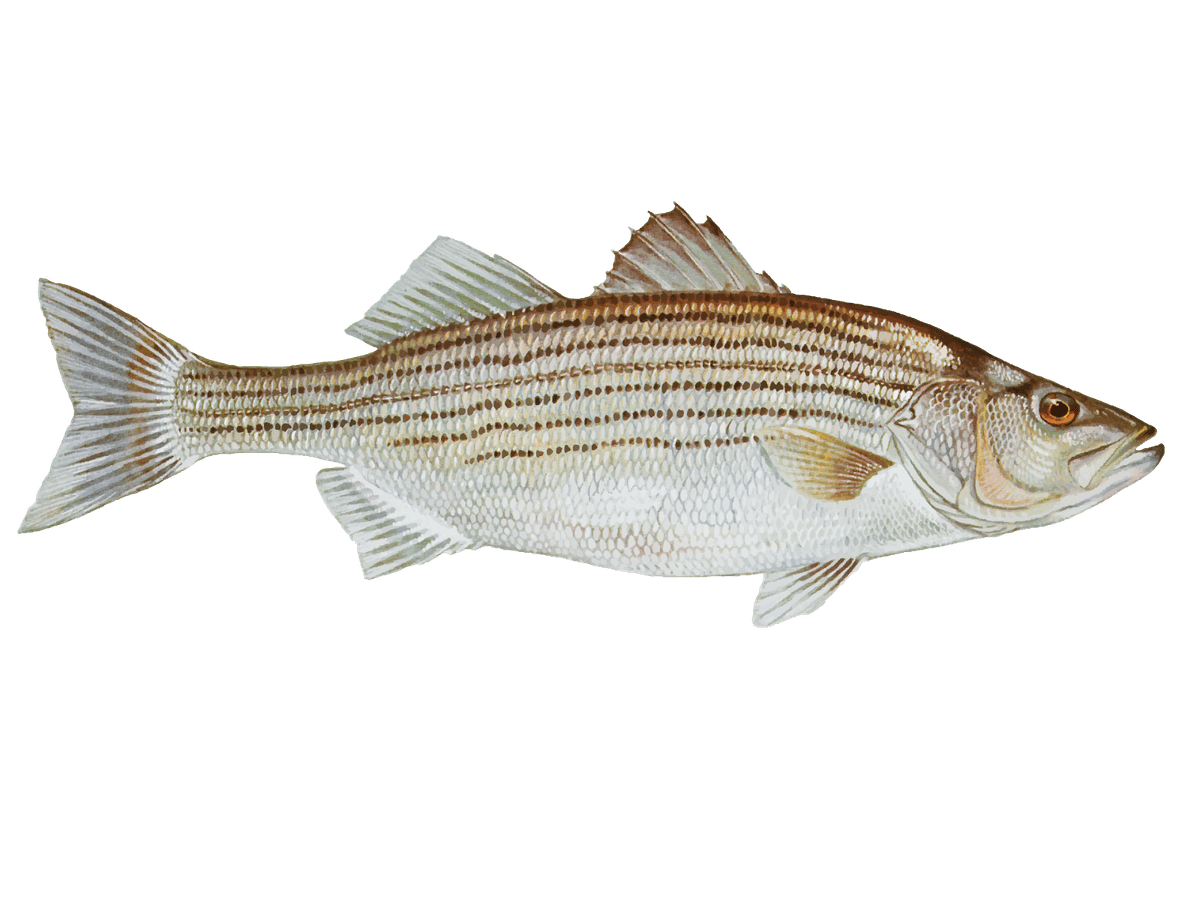
The Striped Bass (Morone saxatilis), a member of the Moronidae family and Perciformes order, is one of the most prized gamefish in Massachusetts waters. Distinguished by its torpedo-shaped body and distinctive horizontal black stripes running along its sides, this powerful fish creates unforgettable battles for anglers. In Hingham waters this June, Striped Bass are actively feeding and staging in preparation for their summer patterns.
Striped Bass Overview
Striped Bass are anadromous fish that can thrive in both freshwater and saltwater environments. They're highly sought after by recreational anglers for their challenging fights and excellent table fare. Often called "stripers" or "rockfish" depending on the region, they represent one of the most economically important sportfish along the Atlantic coast.
Striped Bass Habitat and Distribution
These fish inhabit coastal waters, estuaries, rivers, and lakes along the Atlantic coast from Florida to Canada. Around Hingham and the South Shore of Massachusetts, Striped Bass are commonly found in harbor entrances, rocky shorelines, jetties, channel edges, and around structure. They prefer areas with good current flow that concentrate baitfish, making Boston Harbor and its surrounding waters prime striper territory.
Striped Bass Size and Weight
Striped Bass typically range from 20 to 55 inches in length and can weigh anywhere from 10 to 81 pounds. Trophy specimens exceeding 40 inches are considered exceptional catches in Massachusetts waters, though the average keeper-sized fish tends to be in the 28-36 inch range around Hingham Bay.
Striped Bass Diet and Behavior
These predatory fish feed primarily on smaller fish including herring, menhaden, mackerel, and sand eels, along with crustaceans and squid. Stripers are known for their aggressive feeding behavior, often corralling baitfish against structure or the surface before attacking. They're typically most active during dawn and dusk but will feed throughout the day during prime conditions or when bait is abundant.
Striped Bass Spawning Season
Striped Bass spawn in freshwater from April through June, with water temperatures between 60-70°F being ideal. While some Bass spawn in Massachusetts rivers, many of the fish caught in Hingham waters are part of the larger migratory population that spawns in the Chesapeake Bay or Hudson River before moving north for summer feeding.
Striped Bass Fishing Techniques
For targeting Striped Bass in Hingham waters, three techniques consistently produce results. Trolling with tube and worm rigs along channel edges works exceptionally well during incoming tides. Jigging with soft plastic swimbaits or bucktails near structure and drop-offs can trigger aggressive strikes, especially when fish are holding deeper. For a more exciting approach, casting topwater plugs or live eels around rocky points during early morning or evening hours often produces spectacular surface strikes. In June, anglers around Hingham find Stripers concentrating around harbor entrances and along structure-rich shorelines where baitfish gather.
Striped Bass Is It Good to Eat?
Striped Bass offers excellent table fare with firm, white, flaky meat that has a mild, sweet flavor. It's versatile for cooking – grilled, baked, broiled, or fried – and holds up well to various seasonings and preparations. Nutritionally, it's high in protein and omega-3 fatty acids. However, anglers should be aware of local consumption advisories and regulations, as larger specimens can sometimes contain elevated mercury levels.
Striped Bass Frequently Asked Questions
Q: What is the best bait for Striped Bass?
A: Live or fresh cut bait works exceptionally well, with live eels, mackerel, and menhaden being top choices around Hingham. For artificial lures, soft plastic swimbaits, topwater plugs, and tube-and-worm rigs consistently produce quality Stripers in Massachusetts waters.
Q: Where can I find Striped Bass near Hingham?
A: Productive areas include the edges of Hingham Bay, rocky structures around Hull, channel edges in Weymouth Back River, and various points and structure throughout Boston Harbor. Look for areas with current, structure, and concentrations of baitfish.
Q: Is Striped Bass good to eat?
A: Yes, Striped Bass is considered excellent table fare with firm, white meat that has a mild flavor. Most anglers prefer to eat fish under 36 inches, as larger specimens may have stronger flavor and potentially higher contaminant levels.
Q: When is the best time to catch Striped Bass?
A: In Hingham and the South Shore area, the prime season runs from late May through October. June offers exceptional fishing as bass actively feed before summer's peak heat. Dawn and dusk typically provide the most consistent action, especially during tide changes.
Q: What size Striped Bass can I keep in Massachusetts?
A: Massachusetts fishing regulations typically specify a slot limit for Striped Bass. Always check current regulations before your trip, as they can change annually based on fishery management decisions.
Q: What tackle should I use for Striped Bass?
A: Medium to medium-heavy spinning or conventional gear with 20-40 lb test line works well for most Hingham-area Striper fishing. When targeting larger fish around structure, heavier gear may be necessary to prevent break-offs.