%2Ffit-in%2F250x250%2Fguide_websites%2F2008%2Fimages%2Fbluelinefishingchartershorizontalcolor.png&w=1200&q=100)
Blueline Fishing Charters Fishing Charter in Hingham
Striped Bass Fishing in Hingham, MA
%2F%2Fusers%2F0db15d2a-f753-4729-a54d-86fe2a5b0bbc%2Fimages%2Fstriped-bass-deep-sea-jigging-8766.png&w=1200&q=75)
The Striped Bass is a prized gamefish in the Hingham area, known for putting up spectacular fights when hooked. This species is identified by its distinctive horizontal black stripes running from gills to tail along a silvery-white body. - Striped Bass can grow to impressive sizes, ranging from 20 to 55 inches in length. - They typically weigh between 10 and 81 pounds when fully grown. - They thrive in various habitats including rivers, lakes, and coastal waters.
Fishing Charter by Captain David Horte in August
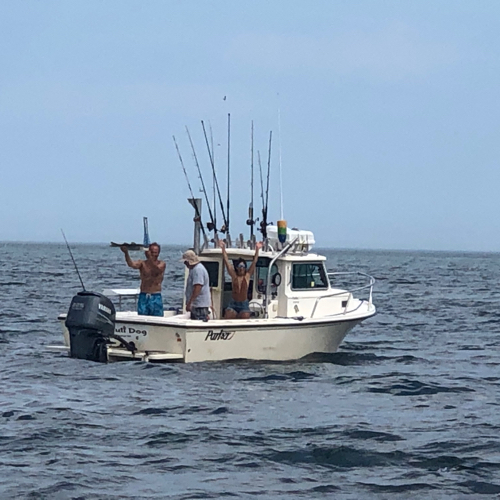
Meet your Captain David Horte
- Top Fishing Charter in Hingham, MA



Summary
Join us for an action-packed summer Fishing Charter in Hingham, MA with Blueline Fishing Charters. This Saturday July trip offers prime opportunities to target striped bass using varied techniques like surf casting, trolling, and bottom fishing. Captain David Horte knows these local waters intimately, adjusting strategies based on conditions to put you on fish. Our 5-hour inshore trips are perfect for anglers of all skill levels looking to land trophy stripers in Boston Harbor. We provide all necessary equipment and local knowledge to maximize your chances at a memorable catch like the solid 27-inch striper from this charter. Book now for the best summer fishing dates!
Fishing Charter with David Horte – Rates & Booking
Captain David Horte of Blueline Fishing Charters on Saturday July offers 5-hour inshore fishing trips launching from Hingham, MA. Our charters focus on catching striped bass using multiple techniques depending on conditions. With years of local experience, Captain David provides all necessary fishing equipment, bait, and tackle – you just need to bring sun protection, weather-appropriate clothing, and any preferred snacks or drinks. Our trips accommodate small groups, making them perfect for families, friends, or serious anglers looking for personalized attention. To book your charter, check our online calendar for availability or call us directly to discuss custom trip options.
Highlights of this Striped Bass Charter
This summer trip produced excellent action, highlighted by a quality 27-inch striped bass caught after employing multiple fishing techniques. The partly cloudy morning provided ideal conditions for targeting stripers, with Captain David mixing approaches from surf casting along shorelines to trolling and bottom fishing deeper waters.
What makes our Hingham departures special is the diverse fishery we can access. Boston Harbor offers protected waters for consistent fishing even when offshore conditions aren't favorable. The local knowledge Captain David brings ensures you'll be fishing the most productive spots based on tide, weather, and recent fish activity – giving you the best chance at landing that memorable catch.
Local Species Insights: Striped Bass
Striped bass thrive in the waters around Hingham, where they feed on abundant baitfish throughout the summer months. These powerful gamefish patrol the shorelines, rocky structure, and deeper channels – making them accessible to various fishing techniques. Early mornings and evenings typically offer the best action, with fish actively feeding during these lower light conditions.
When targeting stripers in Hingham Harbor, we often find success using live bait like mackerel or pogies when available, but artificial lures including soft plastics, swimming plugs, and metal jigs all produce when presented properly. The summer months are prime time, as water temperatures reach the sweet spot for active feeding. What makes striped bass particularly exciting is their aggressive strikes and powerful runs, giving anglers of all skill levels a memorable fishing experience.
Plan Your Fishing Charter Day
Our fishing charters depart from Hingham Harbor, where we meet 15 minutes before the scheduled departure time. The boat is well-equipped with quality fishing gear, safety equipment, and electronics to locate fish. We recommend wearing layers as morning temperatures can be cool even in summer, and bringing sunscreen, polarized sunglasses, and a camera to document your catch.
For your comfort, the boat has shade options, a clean restroom, and storage for personal items. We practice catch-and-release with careful handling, but can clean and fillet keeper-sized fish that fall within regulations. Most charters run from early morning to midday, putting you on fish during their most active feeding periods while still getting you back to the dock with plenty of day left to enjoy.
Fishing in Boston: Striped Bass
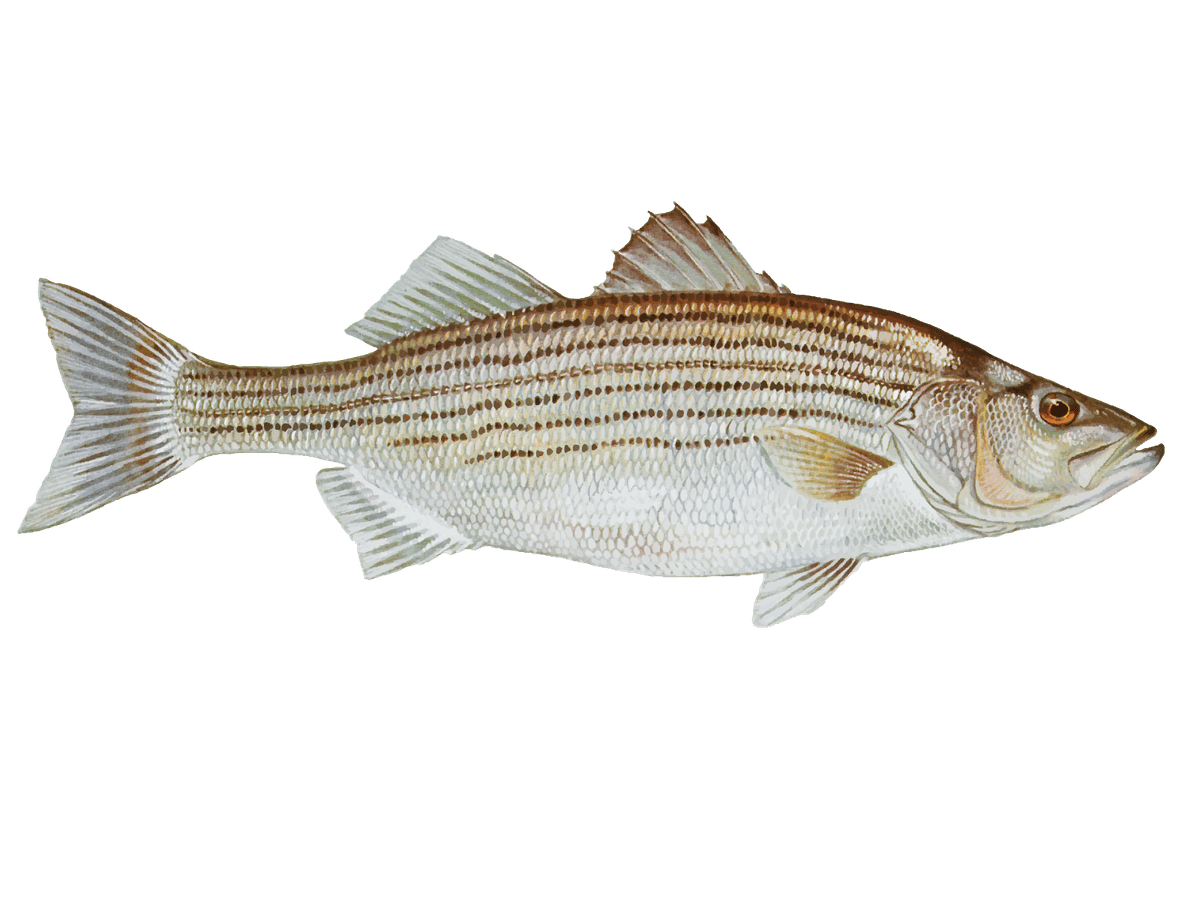
Striped Bass (Morone saxatilis), from the Moronidae family and order Perciformes, is one of the most sought-after gamefish along the Atlantic coast. Distinguished by their prominent horizontal black stripes on a silver-white body, these powerful fish deliver impressive fights and reach substantial sizes. In Hingham waters this July, they're typically found feeding actively around structure and baitfish schools.
Striped Bass Overview
Striped Bass are anadromous fish, meaning they migrate from saltwater to freshwater to spawn. They're highly prized by anglers for their fighting ability, size potential, and excellent table fare. Their adaptability to various habitats makes them accessible to both shore and boat anglers.
Striped Bass Habitat and Distribution
These fish thrive in diverse environments including rivers, lakes, nearshore ocean waters, and estuaries. They prefer areas with structure, current, and baitfish concentrations. Around Hingham, MA, they're commonly found in harbor channels, rocky shorelines, and nearby river mouths where tidal flow creates feeding opportunities.
Striped Bass Size and Weight
Striped Bass typically range from 20 to 55 inches in length and can weigh anywhere from 10 to 81 pounds. Trophy specimens exceeding 40 inches are considered excellent catches in the Hingham area, with most keeper-sized fish falling between 28-40 inches depending on current regulations.
Striped Bass Diet and Behavior
These predators feed primarily on smaller fish like herring, menhaden, mackerel, and squid. They're known for their aggressive feeding behavior, often corralling baitfish against structure or the surface. Stripers are most active during dawn and dusk, though in summer months they may feed throughout the day when conditions are favorable.
Striped Bass Spawning Season
Striped Bass typically spawn in freshwater during spring when water temperatures reach 60-70°F. By July in Hingham, the spawning season has concluded, and fish are focused on feeding and regaining energy, making summer an excellent time to target them as they actively pursue bait.
Striped Bass Fishing Techniques
Multiple techniques prove effective for Striped Bass. Live bait fishing with mackerel, herring, or eels works consistently, while artificial lures like swimming plugs, soft plastics, and topwater offerings can trigger explosive strikes. In July around Hingham, anglers find success fishing rocky points during moving tides, focusing on areas where current creates feeding opportunities. Early mornings and evenings typically produce best, especially on outgoing tides when baitfish get flushed from shallow areas.
Striped Bass Is It Good to Eat?
Striped Bass offers excellent eating with firm, white fillets that have a mild, sweet flavor. It's versatile in preparation—grilled, baked, broiled, or even in chowder. Nutritionally, it's high in protein and omega-3 fatty acids while being relatively low in mercury compared to some other large predatory fish, making it a healthy choice for occasional consumption.
Striped Bass Frequently Asked Questions
Q: What is the best bait for Striped Bass?
A: Live baits like mackerel, herring, eels, and menhaden are top producers. For artificial lures, swimming plugs, soft plastic paddletails, and topwater lures all work well depending on conditions and fish behavior.
Q: Where can I find Striped Bass near Hingham?
A: Focus on structure like rocky points, harbor entrances, channel edges, and areas with current. The waters around Boston Harbor, Hull Gut, and the mouth of the Weir River hold fish consistently during summer months.
Q: Is Striped Bass good to eat?
A: Yes, Striped Bass has white, flaky meat with a mild flavor that's excellent for various cooking methods. Just be aware of local consumption advisories and size regulations.
Q: When is the best time to catch Striped Bass?
A: Dawn and dusk provide peak feeding periods, especially during moving tides. In Hingham, the summer months of June through September offer consistent fishing, with July being prime time when water temperatures are ideal.
Q: What size Striped Bass can I keep in Massachusetts?
A: Regulations change yearly, but typically Massachusetts allows retention of fish between 28-35 inches. Always check current regulations before fishing as slot limits and bag limits are subject to change.
Q: What pound test line should I use for Striped Bass?
A: For most Hingham area fishing, 20-30 pound test is ideal for main line, with 30-40 pound leader material. When targeting larger fish around heavy structure, consider increasing to 40-50 pound test.