%2Ffit-in%2F250x250%2Fguide_websites%2F2008%2Fimages%2Fbluelinefishingchartershorizontalcolor.png&w=1200&q=100)
Caught a trophy Striped Bass in Hingham
Striped Bass Inshore in Hingham
4.5

12 Reviews
- 5
 83%
83% - 4
 0%
0% - 38%
- 20%
- 18%
%2F%2Fusers%2F0db15d2a-f753-4729-a54d-86fe2a5b0bbc%2Fimages%2Fstriped-bass-fishing-success-18-8658.png&w=1200&q=75)
The Striped Bass is an iconic game fish along the Atlantic coast, particularly prized by anglers in Massachusetts. In the waters around Hingham, these fish are known for their powerful fights and can reach impressive sizes, typically between 20-55 inches in length and weighing from 10 to 81 pounds. - They're easily identified by their distinctive horizontal black stripes running along their silvery sides. - Stripers prefer structure-rich environments where they can ambush prey.
Fishing Charter by Captain David Horte in August
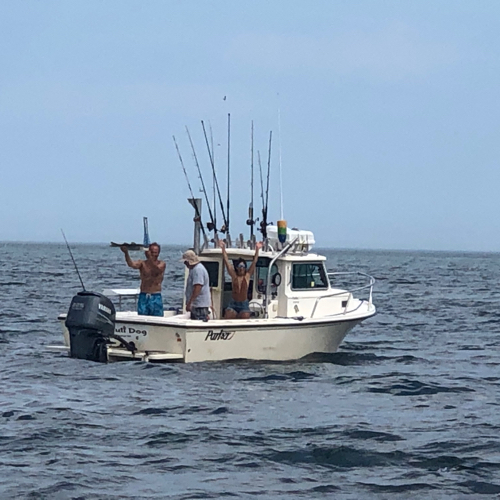
Meet your Captain David Horte
- Top Fishing Charter in Hingham, MA



Summary
Monday June was perfect for our Hingham fishing charter targeting Striped Bass in the productive waters of Massachusetts' South Shore. Captain David Horte of Blueline Fishing Charters led us through Hingham Bay and local hotspots, where we used a mix of deep-sea, jigging, trolling, and light tackle techniques. The weather cooperated with partly cloudy skies and a light breeze, making for ideal fishing conditions. We landed several nice-sized Striped Bass, with the largest measuring 27 inches. This 5-hour inshore trip provides everything you need—fishing gear, bait, and licenses—making it perfect for anglers of all skill levels looking to experience some of the best Striped Bass fishing the South Shore has to offer.
Fishing Charter with David Horte – Rates & Booking
Captain David Horte of Blueline Fishing Charters offers this Monday June 5-hour inshore fishing trip for $650, accommodating up to 6 passengers (though 4 is recommended for the best experience). The charter includes all fishing gear, bait, and licenses—everything you need for a productive day targeting Striped Bass and Bluefish. Departure times are flexible, so you can schedule your trip when it works best for you. If you're looking for more time on the water, trip extensions are available for $120 per additional hour. This private charter gives you exclusive access to Captain Horte's local knowledge and fishing expertise, ensuring you hit the most productive spots along Hingham Bay, Hull, and other local hotspots.
Highlights of Half Day Guided Bluefish And Striped Bass Fishing Trip In South Shore, MA
This 5-hour charter with Captain Horte offers exceptional inshore fishing opportunities throughout the South Shore area. You'll target Striped Bass in their prime feeding grounds, using effective techniques like deep-sea fishing, jigging, trolling, and light tackle approaches. The captain knows exactly where to find fish in Hingham Bay, Hull, Weymouth, Quincy, and Boston Harbor—all productive areas that hold good numbers of Striped Bass throughout the season.
What makes this trip special is the personalized experience. Whether you're a seasoned angler or completely new to fishing, Captain Horte tailors the day to match your skill level and preferences. The boat is well-equipped with quality gear, and the flexible departure times allow you to hit the water during optimal fishing periods. With a maximum of 6 passengers, everyone gets plenty of fishing time and individual attention.
Local Species Insights: Striped Bass
Striped Bass are the premier inshore gamefish in Massachusetts waters, and Hingham Bay offers some excellent opportunities to target them. These fish are drawn to the structure-rich environment of the South Shore, with numerous points, coves, and channels that create perfect feeding zones. In June, the Striped Bass are actively feeding as they move into the shallower waters, making it prime time for light tackle action.
Captain Horte specializes in several effective techniques for targeting these fish. Trolling with tube and worm rigs works exceptionally well along deeper channels, while casting jigs and soft plastics to structure produces exciting strikes in shallower areas. The morning and evening bite can be particularly productive, especially around tide changes when these predators become most active. Water temperature plays a crucial role in Striper behavior, and by June, the waters around Hingham have typically warmed enough to create consistent fishing opportunities.
Plan Your Fishing Charter Day
For your day on the water, dress in layers as morning temperatures can be cool even in June. Bring sun protection, including sunscreen, sunglasses, and a hat. A waterproof jacket is always a good idea, even on days with favorable forecasts. Captain Horte provides all fishing equipment, but you're welcome to bring your favorite rod if you prefer. For refreshments, bring your own food and drinks in a small cooler.
The boat is well-maintained and equipped with safety gear, including life jackets for all passengers. The captain prioritizes both safety and comfort, ensuring a enjoyable day regardless of your experience level. If you're prone to seasickness, consider taking medication before departure, although the protected waters of the South Shore typically offer relatively calm conditions. Plan to arrive at the marina about 15 minutes before your scheduled departure time to get situated and discuss the day's fishing strategy with Captain Horte.
Fishing in Boston: Striped Bass
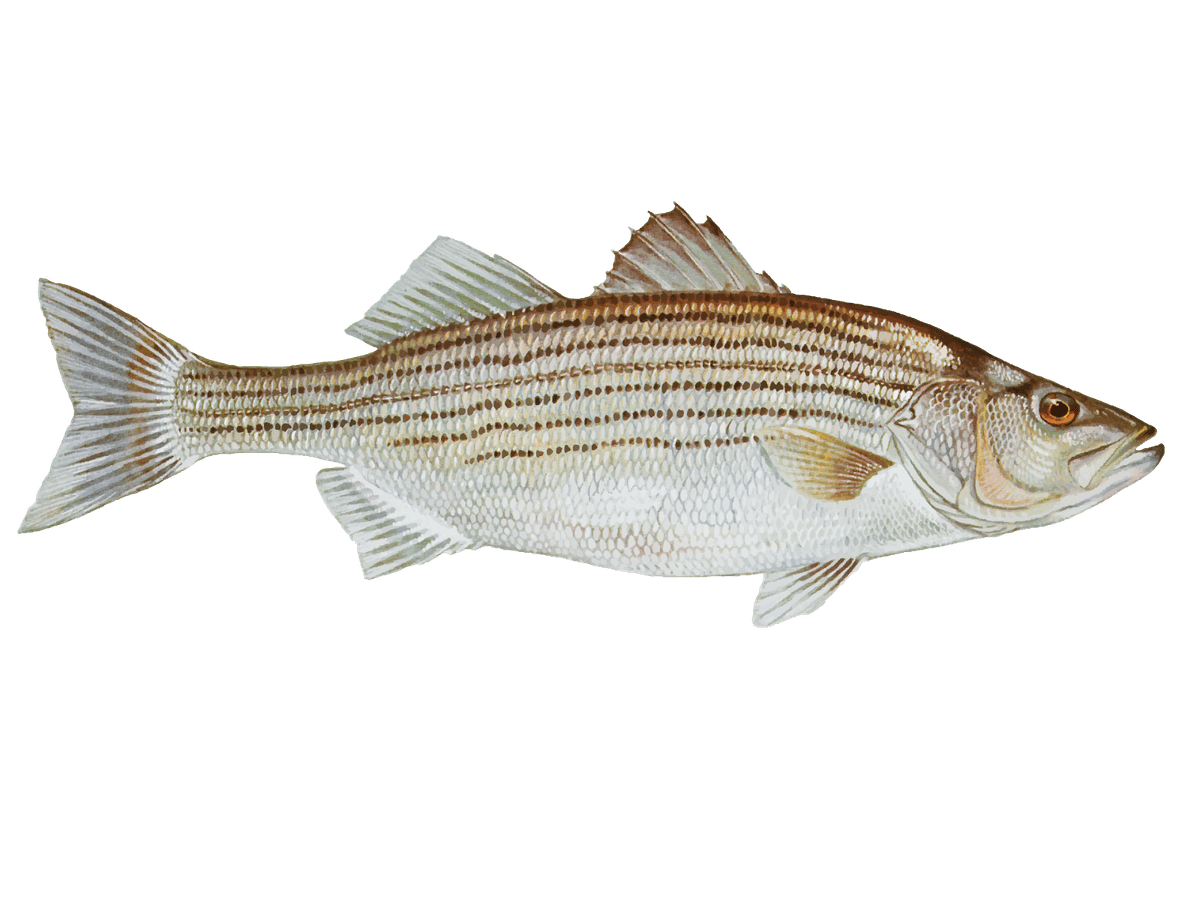
The Striped Bass (Morone saxatilis) is one of the most coveted gamefish along the Atlantic coast. Belonging to the family Moronidae and order Perciformes, these fish are instantly recognizable by their distinctive horizontal black stripes running along silvery sides. In Hingham waters this June, Striped Bass become particularly active as they follow baitfish into the shallow, productive areas of Massachusetts Bay.
Striped Bass Overview
Striped Bass are anadromous fish, meaning they migrate from saltwater to freshwater to spawn. They're highly regarded by anglers for their powerful fights, substantial size, and excellent table fare. These fish are the primary target for many charter operations along the Massachusetts coast, including those operating out of Hingham.
Striped Bass Habitat and Distribution
These fish inhabit coastal waters, estuaries, rivers, and lakes along the Atlantic seaboard. Around Hingham, Striped Bass can be found in various environments including rocky shorelines, sandy beaches, river mouths, and deeper channels. They prefer areas with strong current, structure, and abundant baitfish, which makes the diverse underwater terrain of Boston Harbor and surrounding waters ideal habitat.
Striped Bass Size and Weight
Striped Bass typically range from 20 to 55 inches in length and can weigh anywhere from 10 to 81 pounds. Trophy specimens exceeding 40 inches are highly sought after, though most catches around Hingham tend to be in the 24-36 inch range. The current Massachusetts state record is over 73 pounds, showing the impressive growth potential of these fish.
Striped Bass Diet and Behavior
Stripers are opportunistic predators that feed on a variety of prey including menhaden (pogies), mackerel, herring, sand eels, squid, and crustaceans. They often hunt in schools, corralling baitfish against structure or the surface. These fish are most active during dawn and dusk, though they'll feed throughout the day during peak migration periods or when bait is abundant.
Striped Bass Spawning Season
Striped Bass typically spawn in freshwater from April through June when water temperatures reach 60-65°F. After spawning in major river systems like the Hudson and Chesapeake, many adult fish migrate north along the coast, reaching Massachusetts waters by late May and early June, making this an excellent time to target them in Hingham.
Striped Bass Fishing Techniques
Several proven techniques work well for Striped Bass around Hingham. Trolling tube and worm rigs or umbrella rigs along channel edges is highly effective, especially during the morning hours. Casting large soft plastics or topwater plugs around structure and shallow flats produces exciting strikes, particularly during low light conditions. In June, anglers around Hingham find success targeting bass around the harbor islands, along rocky shorelines, and near river mouths where baitfish concentrate.
Striped Bass Is It Good to Eat?
Striped Bass is excellent table fare, with firm, white, flaky meat that's mild in flavor. It's versatile for cooking—whether grilled, baked, or pan-seared—and holds up well to various seasonings and preparations. Stripers are also nutritious, providing a good source of protein and omega-3 fatty acids. However, be aware of local consumption advisories, as larger specimens may contain higher levels of contaminants.
Striped Bass Frequently Asked Questions
Q: What is the best bait for Striped Bass?
A: Live bait like mackerel, pogies (menhaden), and eels are extremely effective. For artificial lures, soft plastics resembling sand eels or herring, topwater plugs, and swimming plugs all produce well in Hingham waters.
Q: Where can I find Striped Bass near Hingham?
A: Productive areas include Hingham Bay, Hull Gut, the waters around the harbor islands, and the mouths of the Weymouth Back and Weymouth Fore rivers. Look for areas with current, structure, and signs of baitfish.
Q: Is Striped Bass good to eat?
A: Yes, Striped Bass has excellent flavor and texture. The meat is white, flaky and mild, making it versatile for various cooking methods. Most anglers prefer fish in the 24-32 inch range for the best eating quality.
Q: When is the best time to catch Striped Bass?
A: In Hingham, the season typically runs from May through October, with June through August offering consistent action. Early morning, evening, and during tide changes are prime times, especially when these coincide with the movement of baitfish.
Q: What size Striped Bass can I keep in Massachusetts?
A: Massachusetts fishing regulations for Striped Bass change periodically, so check current rules before your trip. As of recent regulations, there's a slot limit allowing anglers to keep fish within a specific size range while protecting both smaller fish and larger breeding females.
Q: How deep do you fish for Striped Bass?
A: This varies by season and conditions. In June around Hingham, Stripers can be found anywhere from extremely shallow water (1-3 feet) over flats and along shorelines to deeper channels (20-40 feet). Captain Horte knows exactly where to find them based on tide, weather, and time of day.