%2Ffit-in%2F250x250%2Fguide_websites%2F2008%2Fimages%2Fbluelinefishingchartershorizontalcolor.png&w=1200&q=100)
Caught a Striped Bass Fishing in Hingham
Striped Bass Fishing in Hingham, MA
%2F%2Fusers%2F0db15d2a-f753-4729-a54d-86fe2a5b0bbc%2Fimages%2Fstriped-bass-fishing-weymouth-hingham-6772.png&w=1200&q=75)
The Striped Bass (Morone saxatilis) is one of the most prized gamefish along the East Coast, known for powerful fights and excellent table fare. These distinctive fish have 7-8 dark horizontal stripes running along their sides, with a dark olive to blackish-blue back that transitions to a silver-white belly. - Can live up to 30 years in the wild - Migrate seasonally along the Atlantic coast - Known for remarkable strength and endurance when hooked
Fishing Charter by Captain David Horte in August
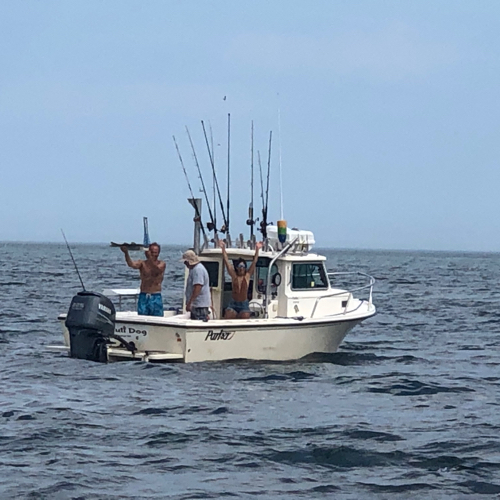
Meet your Captain David Horte
- Top Fishing Charter in Hingham, MA



Summary
Our May fishing charter in Hingham delivered some excellent striped bass action on this Friday outing. The conditions were perfect with partly cloudy skies and calm waters as we set out early to maximize our time on the water. We employed multiple techniques including deep sea jigging, light tackle, and trolling to target striped bass across different depths and structures. The group connected with several quality fish, including a nice 13-inch striper that put up an impressive fight. Blueline Fishing Charters specializes in these inshore trips where we focus on the seasonal bite around Hingham and Weymouth waters. Whether you're new to fishing or an experienced angler, these local waters offer some of the best striped bass fishing in Massachusetts, especially during the spring run when these powerful gamefish move into the area.
Fishing Charter with David Horte – Rates & Booking
Captain David Horte of Blueline Fishing Charters on Friday May offers experienced guidance for anglers seeking quality striped bass action in Hingham waters. Our inshore fishing trips are designed to put you on fish quickly, using multiple techniques to maximize your success. We provide all necessary fishing gear, tackle, and licenses so you can focus on the experience. Our boat is well-maintained with comfortable seating, safety equipment, and fish-finding technology to help locate the best spots. Morning trips typically run 4-6 hours, giving you plenty of time to target striped bass in their prime feeding periods. Book online to secure your spot during the peak May striper season.
Highlights of this Inshore Trip
This May trip showcased why Hingham is known for exceptional striped bass fishing. We utilized multiple fishing methods including deep sea jigging, light tackle fishing, and trolling to cover different water columns and structures. The partly cloudy conditions provided ideal visibility while keeping temperatures comfortable for a full day on the water.
The group enjoyed steady action throughout the day, with several quality striped bass coming to the boat. The highlight was landing a beautiful 13-inch striper that demonstrated the fighting spirit these fish are known for. Even during brief lulls in the action, we were able to adjust our approach and find actively feeding fish by targeting different areas around Weymouth and Hingham Bay.
Local Species Insights: Striped Bass
Striped bass are the premier gamefish in Massachusetts coastal waters, especially during their spring migration. In Hingham Harbor and surrounding areas, these fish typically move in during May as water temperatures rise into the 50s. They follow bait schools into the protected bays and inlets, making this the perfect time for targeting them.
These fish respond well to multiple techniques, which is why we come prepared with various setups. Deep jigging works well when stripers are holding near bottom structure, while light tackle casting with soft plastics or live bait excels when they're feeding higher in the water column. During the spring run, stripers in the 15-30 inch range are common in these waters, though trophy-sized fish over 40 inches are certainly possible. The waters around Hingham offer excellent habitat with numerous rocky points, channels, and tidal areas where these predatory fish hunt for baitfish.
Plan Your Fishing Charter Day
Our fishing charters accommodate groups of up to six anglers comfortably on our well-equipped vessel. We typically depart early morning (around 6-7am) to take advantage of prime feeding times, though afternoon trips are also available. Wear layers as spring weather can be changeable on the water, and don't forget sun protection. Bring a camera to capture your catches, but leave the worry behind—we provide quality rods, reels, tackle, and bait optimized for local conditions. Our boat features comfortable seating, a clean restroom, and shaded areas for your comfort during the trip.
Fishing in Boston: Striped Bass
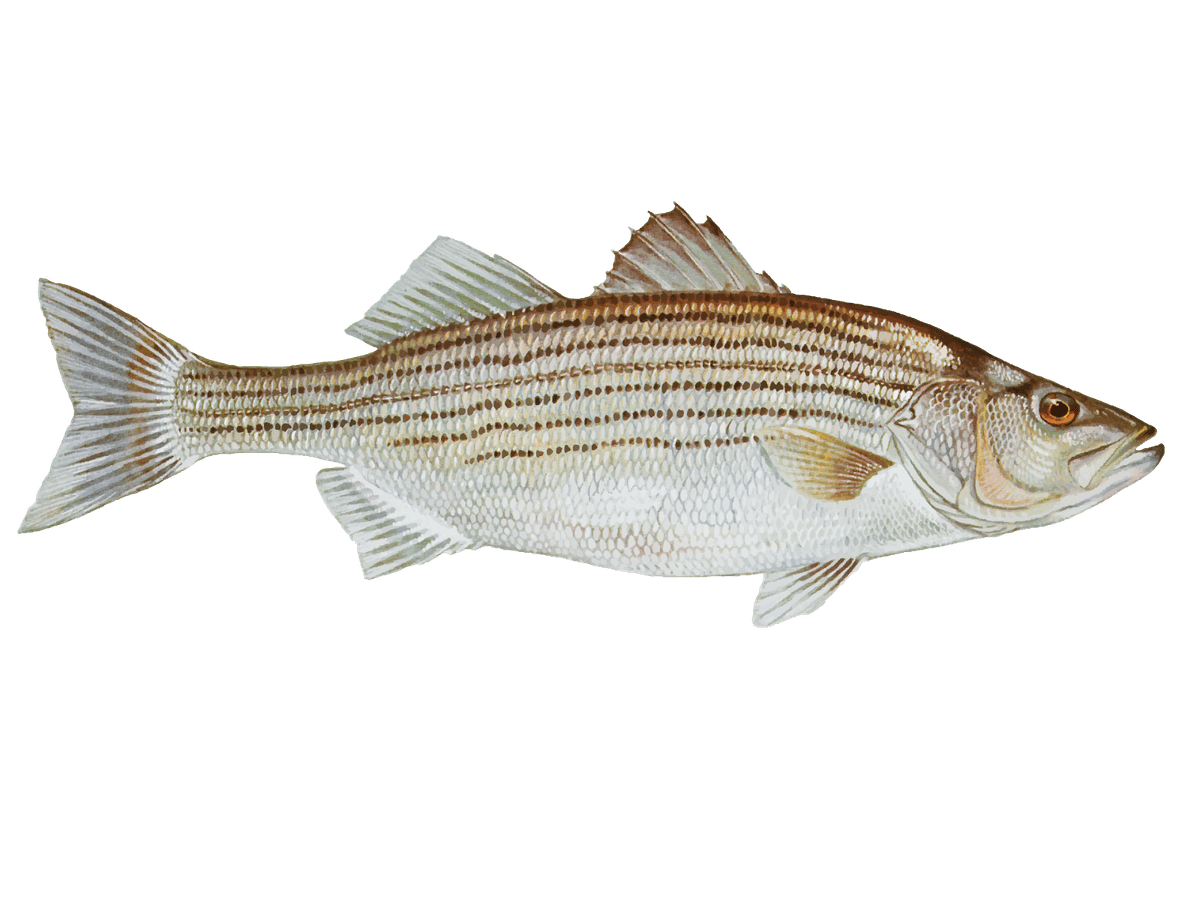
The Striped Bass (Morone saxatilis), from the Moronidae family and order Perciformes, is one of the most sought-after gamefish in the Northeast. Distinguished by its characteristic horizontal black stripes running along a silvery body, these powerful fish make for both exciting catches and excellent table fare. In Hingham waters this May, striped bass are at their prime as they follow baitfish into the bays and harbors during their spring migration.
Striped Bass Overview
Striped Bass are anadromous fish, meaning they migrate from saltwater to freshwater to spawn. Known for their fighting spirit and size potential, they're highly valued by recreational anglers along the Atlantic coast. Their ability to thrive in various environments, from open ocean to estuaries and even freshwater reservoirs where introduced, makes them accessible to anglers in diverse settings.
Striped Bass Habitat and Distribution
Native to the Atlantic coastline from the St. Lawrence River to the Gulf of Mexico, striped bass typically inhabit coastal waters, estuaries, and river systems. Around Hingham, they're commonly found in the harbor, adjacent bays, and tidal rivers, especially during spring and fall migrations. They prefer structures like rocky outcroppings, channel edges, and areas with strong current that concentrate baitfish.
Striped Bass Size and Weight
These impressive fish typically range from 20 to 55 inches in length and can weigh between 10 and 81 pounds. While the average keeper-sized fish in Massachusetts waters might be 28-36 inches, trophy specimens exceeding 40 inches are caught each season. The world record stands at over 81 pounds, though fish in the 15-30 pound range are more commonly encountered by anglers in the Hingham area.
Striped Bass Diet and Behavior
Stripers are opportunistic predators feeding primarily on smaller fish like menhaden, herring, and mackerel, as well as crustaceans and squid. They're known for their aggressive feeding behavior, often corralling bait against structure or the surface in spectacular blitzes. They're most active during dawn and dusk, though feeding can occur throughout the day depending on tidal movements and bait availability.
Striped Bass Spawning Season
Striped bass spawn in freshwater from April through June, with water temperatures between 60-70°F triggering the reproductive cycle. While the major spawning grounds are in the Chesapeake Bay, Hudson River, and Delaware River, the fish we catch in Hingham waters are typically part of the post-spawn migration as they move northward along the coast following bait schools.
Striped Bass Fishing Techniques
Multiple techniques prove effective for striped bass in Hingham waters. Casting soft plastic swimbaits and jerkbaits around structure works well, especially during moving tides. Live bait such as mackerel or pogies (menhaden) is extremely effective when drift fishing near channel edges. In May, anglers around Hingham find success targeting depths of 15-30 feet around harbor entrances and rocky points as the fish intercept migrating baitfish. Topwater plugs can produce explosive strikes during early morning and evening hours, particularly when bass are feeding actively near the surface.
Striped Bass Is It Good to Eat?
Striped bass offers excellent table fare with firm, white, flaky meat and a mild flavor that's less fishy than many other species. It's versatile for cooking—grilling, baking, or pan-searing all work well, usually with simple seasonings to highlight its natural taste. Nutritionally, it's high in protein and omega-3 fatty acids while remaining relatively low in mercury compared to other large predatory fish. Many anglers practice catch-and-release for larger breeding females but keep mid-sized fish for the table.
Striped Bass Frequently Asked Questions
Q: What is the best bait for striped bass?
A: Live mackerel, menhaden (pogies), and eels are top natural baits for striped bass in Hingham waters. For artificial lures, soft plastic swimbaits in 6-9 inch sizes, metal jigs, and topwater plugs are consistently productive, especially in white, pearl, and mackerel patterns.
Q: Where can I find striped bass near Hingham?
A: Key locations include the edges of Hingham Harbor, especially near the entrance, rocky shorelines along World's End, the channels between the harbor islands, and the deeper water dropoffs in Weymouth Back River. During May, focus on areas where tidal current concentrates baitfish.
Q: Is striped bass good to eat?
A: Yes, striped bass is considered excellent eating with firm, white flesh and mild flavor. It's best prepared simply—grilled with olive oil, lemon and herbs or baked with minimal seasoning to appreciate its natural taste. Fish between 24-32 inches typically provide the best eating quality.
Q: When is the best time to catch striped bass?
A: In Hingham, prime striped bass fishing occurs from mid-May through early July, with another strong period in September-October. The most productive times are during moving tides, particularly the first few hours of an incoming tide. Early morning and evening hours generally outproduce midday, especially during warmer months.
Q: What size striped bass can I keep in Massachusetts?
A: Massachusetts regulations currently allow harvest of striped bass between 28-35 inches total length, with a one fish daily bag limit. Always check current regulations before fishing as limits can change seasonally.
Q: What fishing license do I need for striped bass in Hingham?
A: Massachusetts requires a saltwater fishing permit for anglers over 16 years old. When fishing with a licensed charter like Blueline Fishing Charters, your captain typically covers this requirement for all passengers.