%2Ffit-in%2F250x250%2Fguide_websites%2F2008%2Fimages%2Fbluelinefishingchartershorizontalcolor.png&w=1200&q=100)
Striper Migration Patterns Boston MA Fishing
Striper Migration Along the Eastern Coast - What to Expect
%2F%2Fusers%2F0db15d2a-f753-4729-a54d-86fe2a5b0bbc%2Fimages%2Fstriper-migration-map-may-2574.jpg&w=1200&q=75)
Fishing Charter by Captain David Horte in May
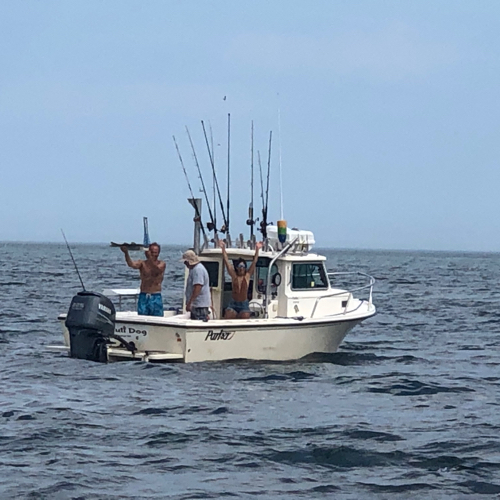
Meet your Captain David Horte
- Top Fishing Charter in Hingham, MA



Summary
Understanding striper migration is essential for successful fishing. This May migration map reveals how striped bass move along the eastern coast, helping anglers plan their fishing charter strategy in Boston waters during peak season.
Fishing Charter with Captain David Horte - Rates & Booking
Captain David Horte of Blueline Fishing Charters operates out of Hingham, Massachusetts, offering expert guidance on understanding and targeting striped bass during their seasonal migrations. On Thursday, May 22nd, Captain Horte uses detailed migration data to help anglers intercept stripers along their established movement corridors. His knowledge of these patterns directly informs fishing strategy and success rates throughout the season.
For booking your fishing charter and current rates with Blueline Fishing Charters, contact Captain Horte directly. His charter operation provides personalized trips based on real-time migration intelligence and environmental conditions. Reserve your spot online to secure your preferred date and experience guided striper fishing with a captain who understands coastal migration patterns.
Highlights of Striper Migration Season
The striper migration map for May 22 illustrates the critical movement phases when these fish travel along predictable routes. Striped bass follow temperature gradients, food availability, and spawning urges, creating patterns that experienced captains use to locate active schools. During this period, understanding these movement corridors dramatically improves your chances of connecting with quality fish.
The eastern coast provides multiple fishing zones as stripers migrate northward. Hingham and the Boston area sit within prime interceptor territory, where migrating fish bunch up and feed aggressively. Captain Horte's local expertise means he knows exactly where these migration routes converge with optimal fishing conditions.
Understanding Striper Migration Patterns and Behavior
Striped bass are anadromous fish, meaning they migrate between saltwater and freshwater environments. This May period captures them moving through coastal waters on their spring migration. The map shows how fish don't simply swim in straight lines - they follow contours, current breaks, and temperature transitions that concentrate schools into predictable zones.
Several factors drive striper migration timing and routes. Water temperature is the primary trigger - stripers begin moving when spring warming reaches their preferred range. They're searching for feeding grounds and spawning habitat, which means they move with purpose and feed actively during transition periods. This is prime fishing time because migrating stripers are hungry and focused.
The migration map reveals key corridor zones where multiple routes converge. These compression areas create exceptional fishing opportunities because fish school up before dispersing into summer feeding grounds. Captain Horte monitors these corridors and adjusts his charter strategy based on real-time migration push. Understanding why these patterns develop helps anglers appreciate what they're seeing on the water and make better tactical decisions.
Coastal water conditions during May migration involve warming trends, spring tides, and increased bait presence. These environmental factors work together to activate stripers. Current flows become stronger as tidal ranges shift, pushing food sources and fish into specific geographic zones. Experienced guides recognize these signals and position anglers accordingly.
Migration routes vary year to year based on water temperature sequences, prey availability, and biological imperatives. The May 22, 2026 map represents one specific snapshot of movement patterns. Studying historical migration data helps predict where fish will travel and when to expect peak activity in various locations. This knowledge separates successful anglers from those who fish randomly.
Targeting migrating stripers requires different techniques than summer resident fishing. Active migration periods mean fish are on the move and covering water, so presentations should work deeper channels and current breaks where stripers funnel through. Understanding migration corridors allows you to position ahead of fish movement rather than searching randomly. Captain Horte applies this knowledge daily, ensuring your charter puts you in position when stripers travel through Hingham and Boston waters.